August 13 2026
How to Use Digital PR to Get Your Brand Cited by AI
AI is changing how people discover, compare and choose brands.
In traditional search, the journey usually started with a query, followed by a results page, a website visit and then a decision. With AI-led discovery, people are increasingly getting summarised answers, comparisons and recommendations before they ever reach a brand’s website.
That changes what brands need to optimise for.
It is no longer enough to rank well or secure occasional coverage. If you want to be recommended by tools such as ChatGPT, Gemini and Copilot, your brand needs to be visible across the wider web, clearly associated with the right topics and supported by credible third-party evidence.
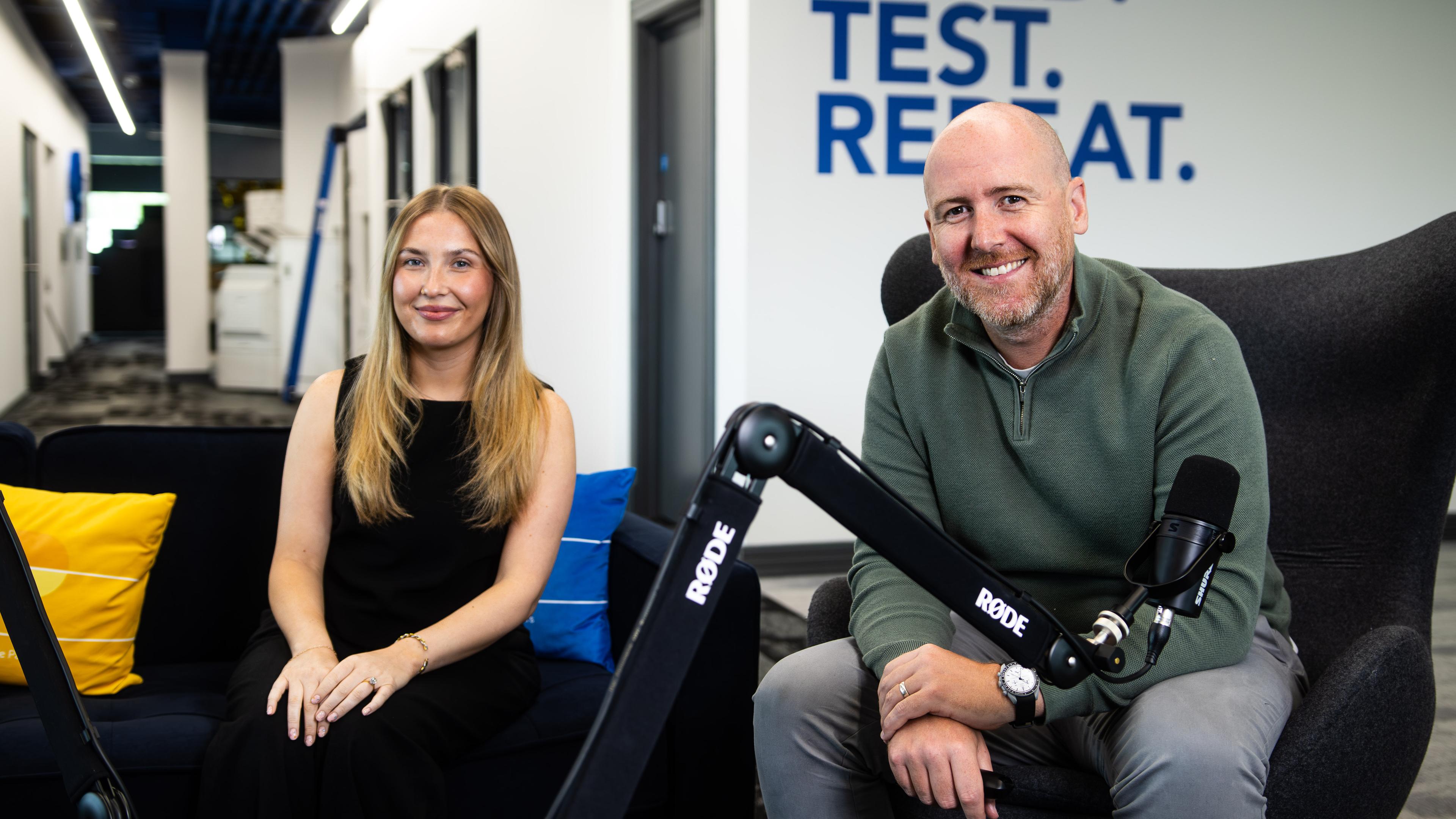
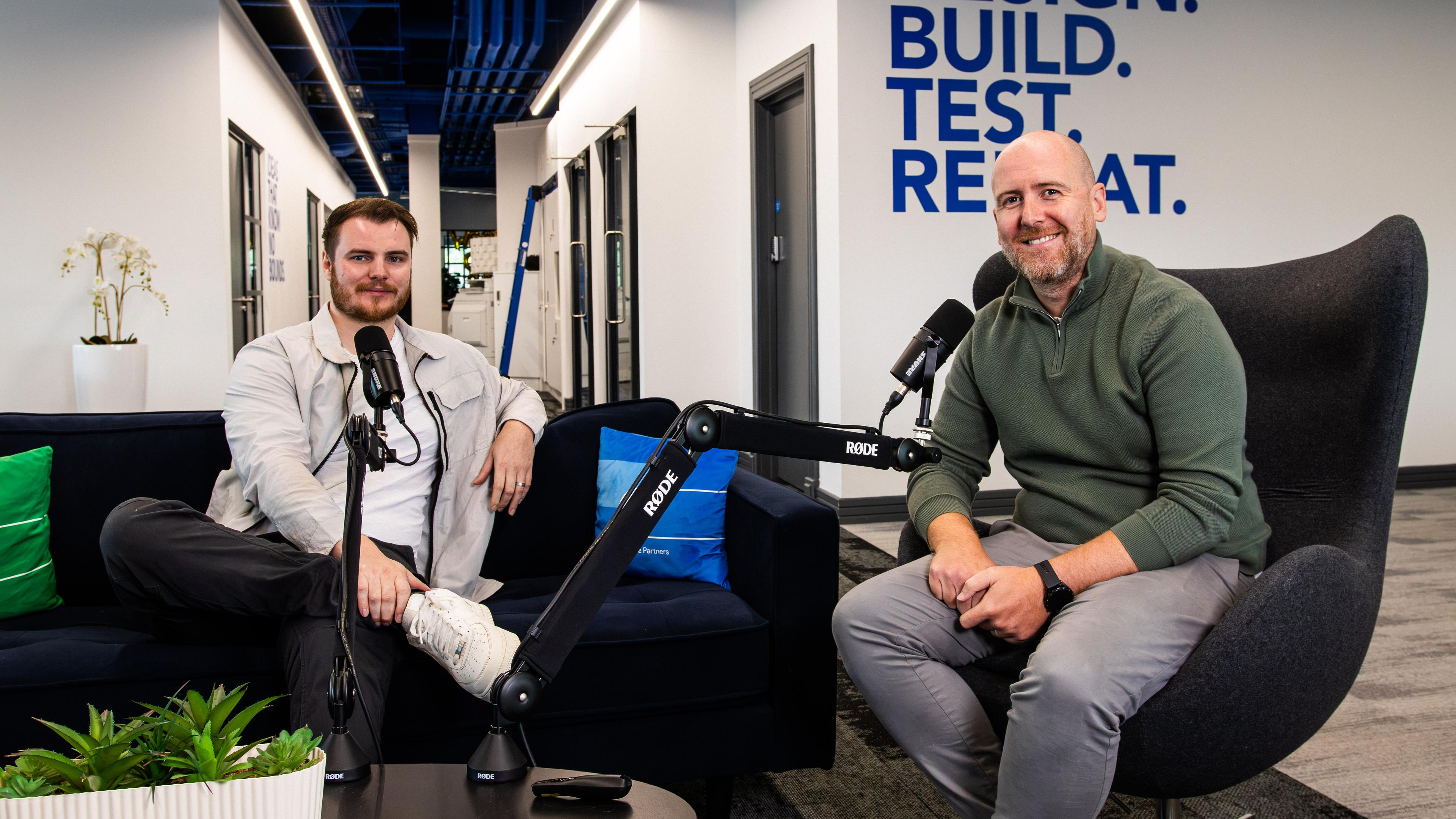
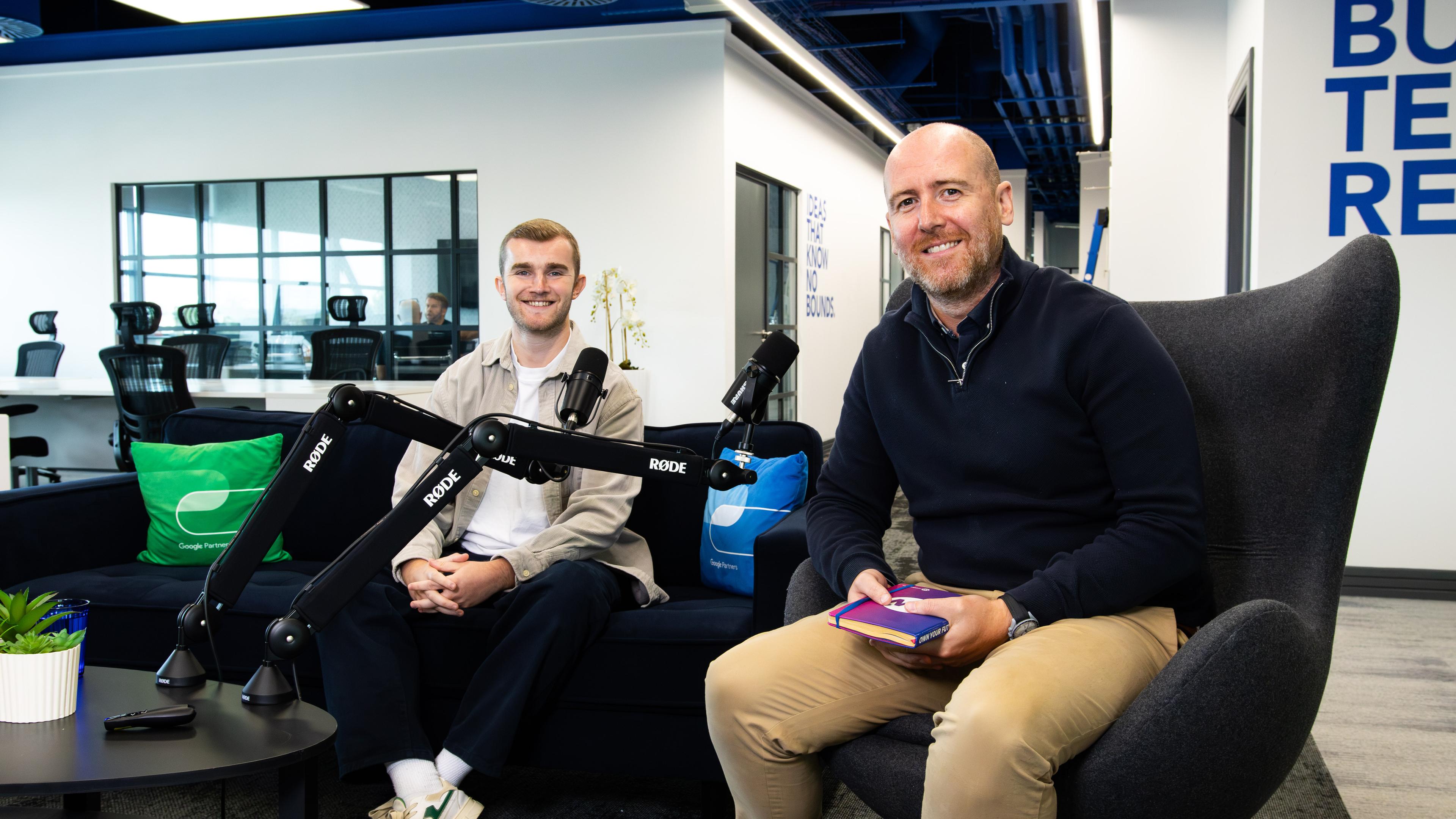
In our latest Mediaworks Masterclass, we explored how Digital PR can help build those signals.
From found to recommended
A useful way to think about AI visibility is as a four-stage process:
Found
Can AI systems and customers discover useful information about your brand?
This includes your own website, but also media coverage, expert commentary, reviews, public data, forums and other third-party sources. AI answers are built using information from across the web, which means your wider digital footprint matters more than ever.
Understood
Is it clear what your brand does and what it should be relevant for?
Being mentioned is not enough. Your brand needs to be consistently connected to specific categories, customer needs, audiences and areas of expertise. If AI can find your brand but cannot understand what it is relevant for, recommendation becomes much less likely.
Trusted
Is that understanding backed up by credible third-party evidence?
Every brand can claim to be an expert. What matters is whether others support that claim. Named experts, original research, credible media coverage and repeated references over time all help create independent proof around your expertise.
Recommended
Does your brand surface positively when customers ask for options?
This is the outcome of the first three stages working together. You want your brand to appear in relevant shortlists, be compared with appropriate competitors, be associated with the right customer needs and be described accurately and positively.
Digital PR needs to move beyond link building
Digital PR has traditionally focused heavily on links, coverage volume and publication authority.
Those metrics still matter, but AI search requires a broader view of authority.
Brands need to ask whether coverage is reinforcing the topics they want to own, whether the publication is genuinely relevant, whether expertise is clearly demonstrated and whether the same associations are being built repeatedly over time.
In some cases, a specialist trade publication may be more useful than a larger national title if it is more closely associated with the topic and is regularly cited within AI platforms.
The objective is not simply to generate more coverage. It is to build a consistent body of evidence that helps both people and AI systems understand what your brand should be known for.
Start with what you want to be known for
Before planning your next campaign, answer four questions:
What does your brand do?
Who are you trying to help?
What problem do you solve?
What can you credibly talk about?
These should then shape the topics you target, the stories you create and the prompts you want to appear for.
The stronger the alignment between your brand messaging, website content, PR activity and third-party coverage, the easier it becomes for AI platforms to interpret your brand consistently.
Create evidence worth citing
Once you know what you want to be known for, you need credible evidence around those topics.
That could include:
Original research and data
Expert commentary
Customer insight
Transparent methodologies
Useful guides and supporting content
Relevant media coverage
It is also important to support Digital PR campaigns with content on your own website. Creating a campaign page or research asset gives AI systems a clear primary source to reference, while earned coverage reinforces that information elsewhere across the web.
Consistency matters more than one successful campaign
AI visibility should not be treated as a one-off campaign objective.
A single piece of coverage may contribute to a recommendation today, but that does not mean the same result will remain six months later. Models, sources and search behaviour continue to change.
Brands therefore need to keep returning to the topics they want to own, publishing fresh evidence and reinforcing the same associations through PR, content and SEO activity over time.
How to measure AI visibility
AI visibility should also be measured differently from traditional rankings.
Instead of checking one prompt once, brands should:
Test a consistent set of real customer questions across several AI platforms
Review whether the brand appears for the right topics
Check how accurately and positively the brand is described
Identify which publications and pages are influencing the answers
Compare visibility and positioning against competitors over time
The goal is to measure the pattern rather than a single result.
The key takeaway
Your website is only part of the picture.
Being mentioned is not the same as being understood, and being found is not the same as being recommended.
Brands that perform well in AI search will be those that clearly define what they want to be known for, create credible evidence around those topics and reinforce those signals consistently across the wider web.
Digital PR has a major role to play in that process.
Want to know how visible your brand is in AI?
Request a FREE AI Visibility Audit from Mediaworks.
Using the Authority pillar of our MX framework, we’ll assess how visible, credible and relevant your brand currently appears across AI-generated answers. You’ll see where you are being cited, how you are being described, where competitors are outperforming you and the priority actions that could improve your chances of being recommended.