April 29 2026
Key Takeaways from our Social Housing Roundtable: Reducing Demand and Rebuilding Trust

Social housing providers are under growing pressure to do more with less. Resident expectations are rising, regulation is intensifying and internal teams are managing increasing volumes of contact with limited capacity.
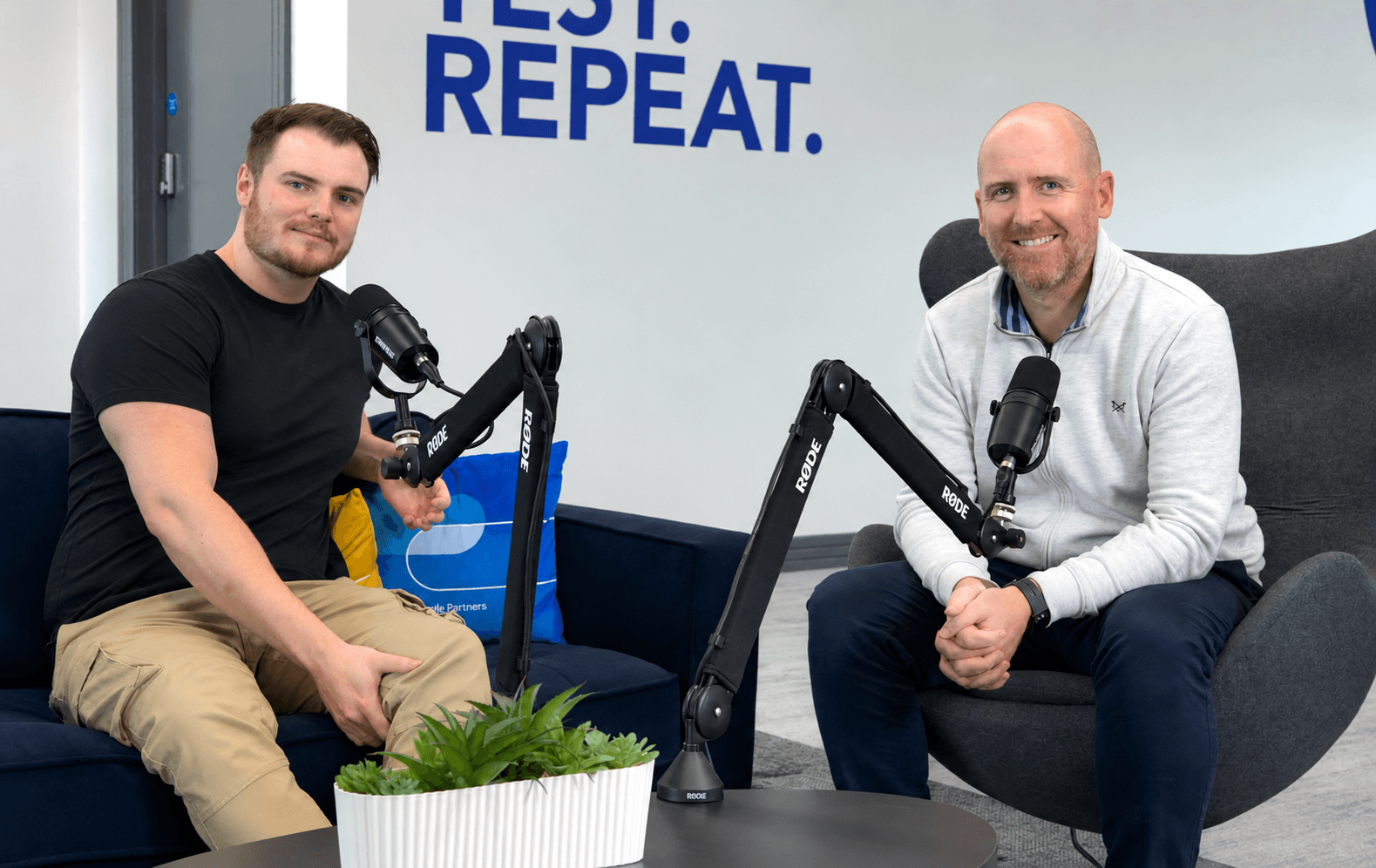
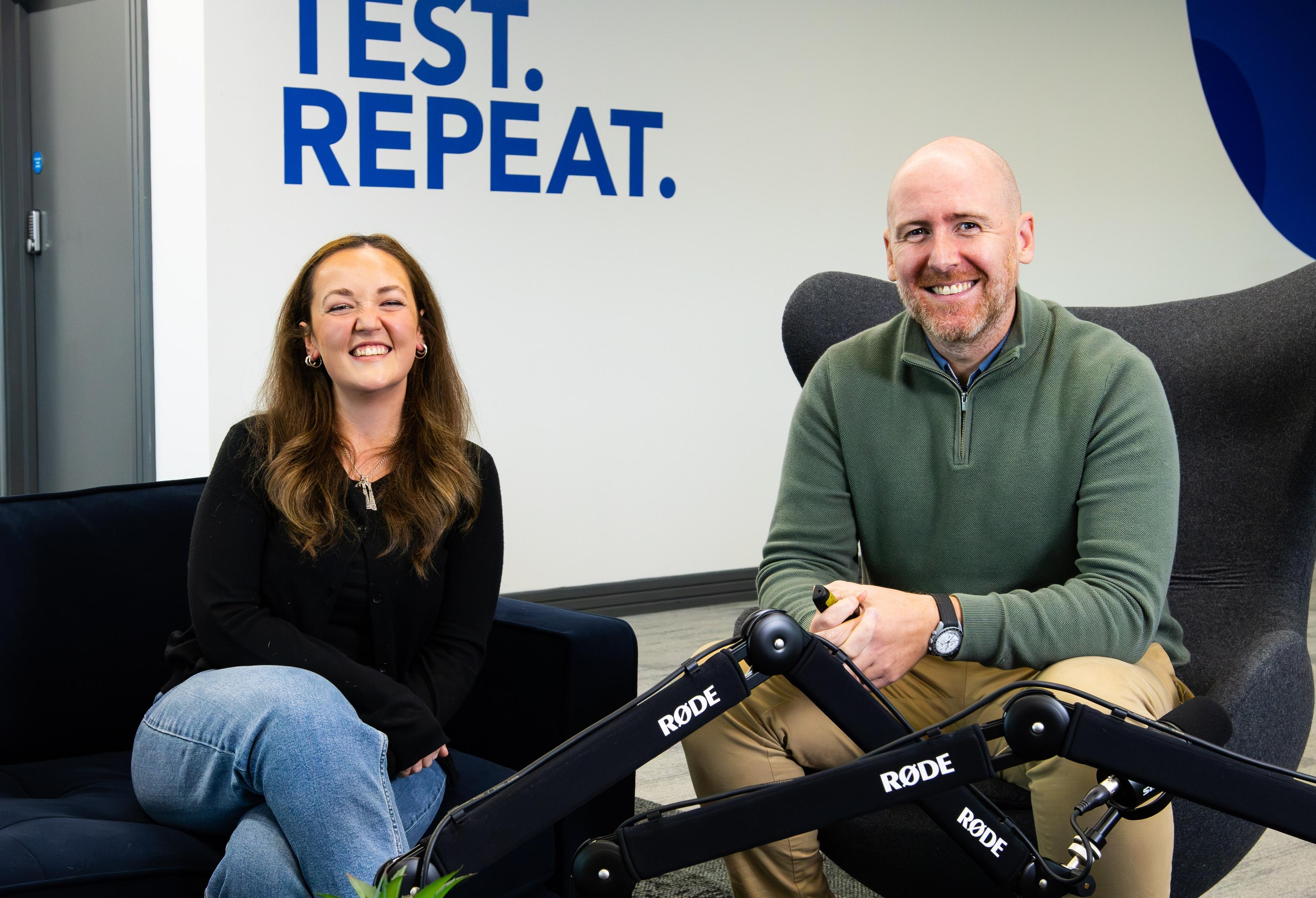
At our recent Mediaworks roundtable, Reducing Demand and Rebuilding Trust in Social Housing, we explored how housing associations can use digital self-service to improve resident experience, reduce avoidable demand and build trust across the tenant journey.
A key theme underpinning the discussion was the need to better understand the emotional reality of the resident journey. Mediaworks' Resident Rollercoaster framework was used to map the highs and lows residents experience across key moments, from application through to ongoing tenancy, and to highlight where poor visibility and communication drive unnecessary demand.
Joined by Steve Allcock, Group Business Transformation Director at Riverside Housing, the session focused on a clear challenge for the sector: how to move from fragmented, process-led services to more connected, resident-first experiences.
Our Key Takeaways
1. Avoidable demand is driven by unclear, disconnected journeys
A significant proportion of resident contact is driven by a lack of visibility. Residents chase because they do not know what is happening, what stage they are at or when to expect an update.
This is particularly evident across repairs, complaints, rent queries and general status updates.
Frameworks like the Resident Rollercoaster help highlight where uncertainty peaks and where better journey design and communication can prevent avoidable contact before it happens.
The priority is not to add more resources but to design clearer, joined-up journeys that give residents the information they need without having to call, chase or repeat themselves.
2. Repairs are the critical pressure point, but fixing them requires more than technology
Repairs remain one of the largest sources of avoidable demand, driven by unclear appointment windows, limited updates, repeated data capture and uncertainty around responsibility.
Digital can improve the experience through better reporting, tracking, updates and rescheduling. However, the roundtable reinforced that technology alone is not enough.
Better outcomes depend on aligning digital with operational delivery, from stronger diagnostic processes to ensuring operatives have the right information and materials first time.
3. Resident expectations have changed
Residents compare their housing experience with the digital services they use every day.
They can track a parcel, manage their banking and receive proactive updates from retailers. Yet many housing journeys still rely on phone calls, paper forms, disconnected systems and slow communication.
The sector does not need to start from scratch. Many of the tools already exist, including progress trackers, digital ID, secure document uploads, e-signatures, rent dashboards, repair tracking and personalised notifications.
The opportunity is to stitch them together in a way that reflects the needs of residents, helping to give value, transparency and convenience.
4. Trust is built through communication and emotionally aware journey design
The roundtable reinforced that the resident journey is not just transactional, it is emotional.
From application through to repairs and ongoing tenancy, residents experience moments of uncertainty, frustration and relief. Designing around these moments is critical.
Clear, timely communication plays a central role. Residents may not always need an immediate resolution but they do need reassurance and visibility. Proactive updates reduce repeat contact and demonstrate that the organisation is in control.
Better communication, combined with more human-centred journey design, is key to rebuilding trust.
5. The future is a connected, supportive digital experience
Digital self-service should simplify routine interactions while enabling better support where it is needed most.
This means moving beyond traditional tenant portals towards a more connected resident experience platform: a single digital front door for repairs, payments, onboarding, support and communication.
It also means using digital to identify vulnerability earlier, particularly around rent, affordability and financial wellbeing, so teams can intervene before issues escalate.
And it extends beyond transactions, helping connect residents to community updates, local services and support networks.
Final Thoughts
Reducing avoidable demand and rebuilding trust are closely linked.
When residents have clear information, simple digital routes and proactive updates, they are less likely to chase or repeat requests. This frees up capacity for housing teams to focus on more complex and sensitive needs.
The future of digital self-service in social housing is not about removing people from the process. It is about designing better, more connected experiences so residents feel informed, supported and in control.
To explore this in more detail, you can get in touch to discuss how the Resident Roller Coaster framework can be applied within your organisation.
Fill in the form HERE