April 13 2026
SEO Without Clicks: 5 Takeaways from Our Latest Mediaworks Masterclass

If you’ve been on the marketing side of LinkedIn recently, you’ll have read an abundance of posts from experts detailing how search is changing.
Some even saying SEO is dead.
While they are right that search is changing, here at Mediaworks we firmly believe that the age of search isn’t over, it’s just evolving.
AI Overviews are altering what people see on Google. Tools like ChatGPT, Claude and Perplexity are changing how people explore a topic. In fact, in our masterclass we shared that 38% of desktop users were using AI tools to support search in 2025, rising to just under 50% in 2026. And for a lot of brands, that’s raised the obvious question: if fewer people are clicking through, what does that mean for SEO?
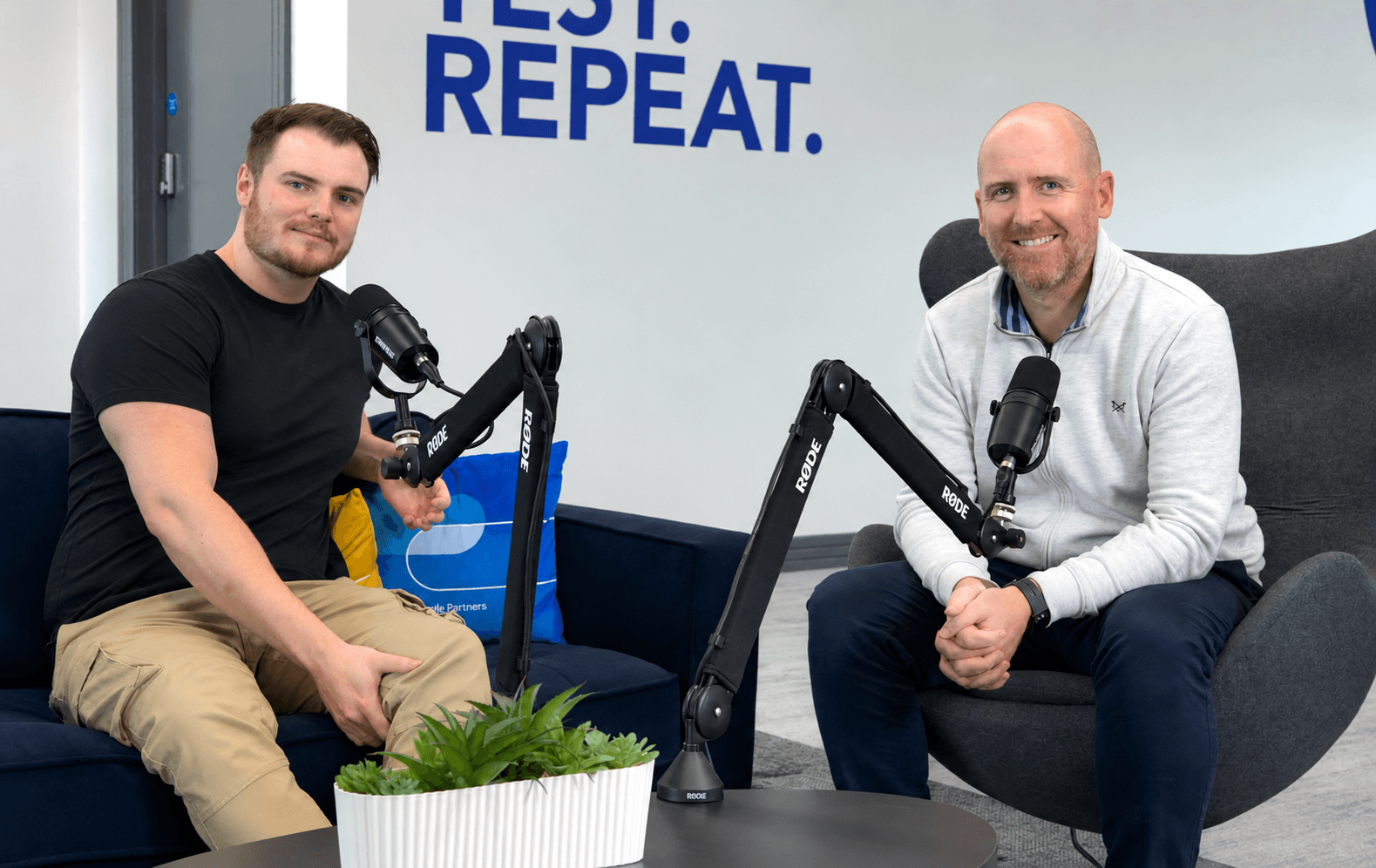
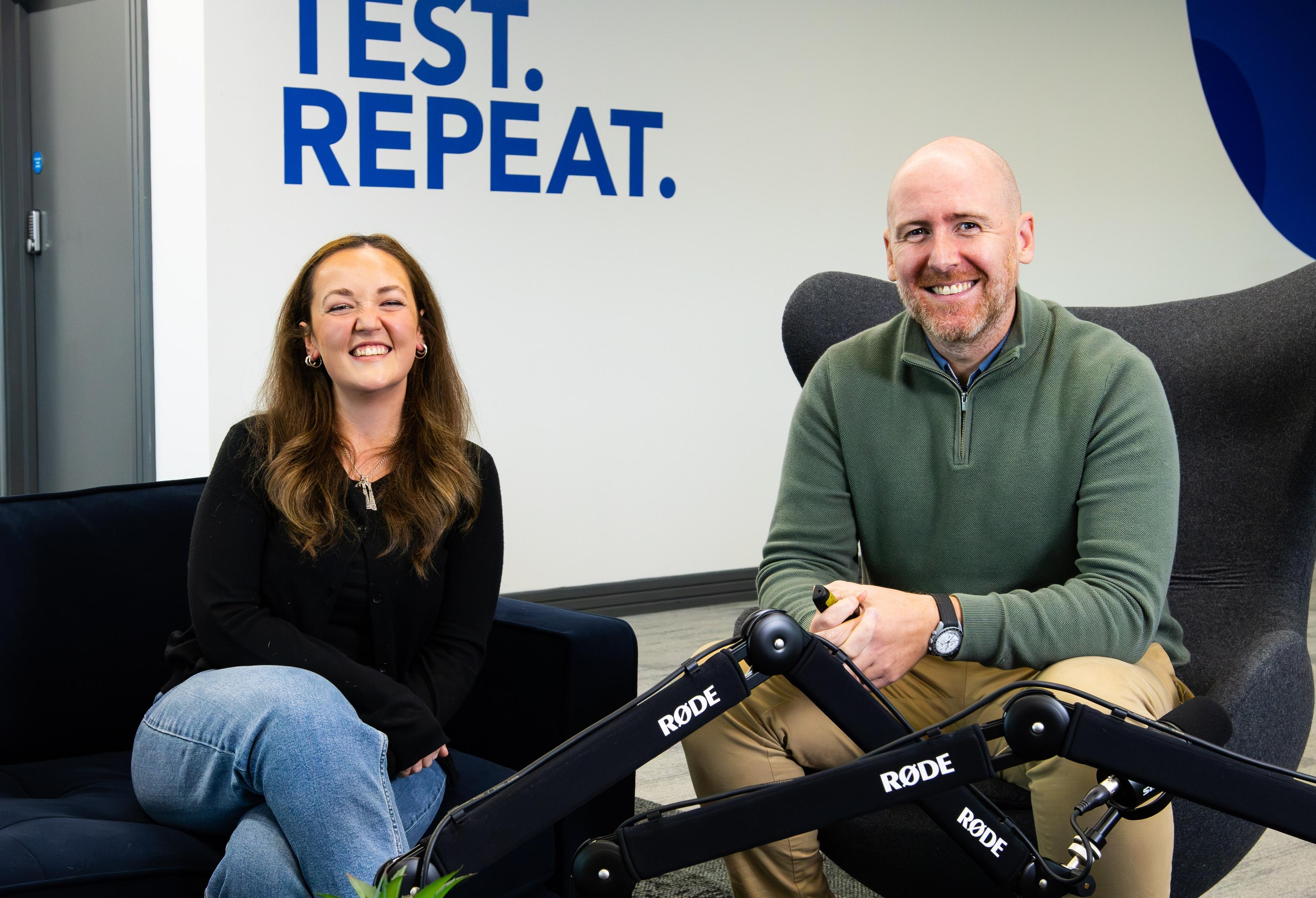
That was the focus of our latest Mediaworks Masterclass, SEO Without Clicks: Winning in AI-Driven Search.
There’s a lot of noise around this topic. Some of it is useful. A lot of it isn’t. Our session was about cutting through and getting back to what’s actually happening, what’s changing, and what brands should do next.
Here are five takeaways from the discussion.
1. Search isn’t dead. Long live search.
One of the easiest mistakes to make is assuming people have moved on from Google and are now doing everything through AI tools.
That’s not what’s happening.
Google is still where most search activity sits. It still dominates the market, with over 90% of global search market share, and 5 trillion searches happening on Google every year. What has changed is the way people move through the journey. They might start on Google, jump into ChatGPT, go back to search, refine what they’re asking, compare sources, then come back later once they’re ready to act.
So the change isn’t that search has disappeared. It’s that discovery has become more layered, more conversational and less linear than it used to be.
That changes what a visit to your site actually means. In a lot of cases, people are arriving later in the journey, after they’ve done some of the legwork elsewhere.
2. Falling clicks don’t automatically mean SEO is doing less
This is probably the bit making most marketers nervous.
Yes, click-through rates are under pressure. Yes, more answers are being surfaced directly in search results. And yes, AI tools are giving people information without them needing to visit a website in the same way they used to.
But that doesn’t mean SEO has suddenly stopped pulling its weight.
What we’re seeing is that traffic is becoming a less reliable signal on its own. Someone might not click at the research stage because they’ve already had their question answered in an AI Overview. Then later, when they do land on your site, they’re far more informed and much closer to taking action.
So if you’re only looking at traffic, things can look worse than they really are. The more useful question is whether search is still helping people discover you, trust you and convert when they’re ready.
In plenty of cases, the answer is yes.
3. A lot of the core SEO work hasn’t gone away
For all the new language around GEO, AEO and AI search, this isn’t a complete reset.
You still need a site that can be crawled properly. You still need content that’s clear, useful and well structured. You still need authority. You still need trust.
That’s one of the biggest points that came across in our session. There’s a tendency to talk about SEO and AI visibility as though they’re two totally separate worlds. In practice, there’s a big overlap between them.
The brands most likely to show up well in AI-driven search are often the same ones that already have solid technical foundations, strong content and a good level of credibility in their space.
This isn’t about throwing out your SEO strategy and replacing it with something completely different. It’s about building on what already works and adjusting it for how people now discover information.
4. Content needs to work harder at passage level
In a pre-AI world, it was common to think in terms of pages and keyword targets. Pick a term, build a page around it, optimise it, and try to rank. That way of thinking isn’t enough on its own anymore.
AI tools don’t just pull from pages. They pull from sections, explanations, answers and snippets of meaning.
That means content needs to be easier to extract, easier to understand and more tightly structured. In the session, we talked about the shift from writing for pages to writing for passages, and that’s probably the simplest way to put it.
If a section on your site clearly answers a question, explains a topic well, includes original data or shows real expertise, it has a better chance of being pulled into AI-led results.
We shared one example of this through our analysis for client, British Business Bank. Across 1,000 prompts, the brand appeared nearly 4,000 times, with content from a single source reused up to 14 times across different prompts. We also found that Wikipedia was returned 1.4 times more often than a brand homepage, which says a lot about the weight AI tools still give to trusted, established sources.
That also means brands need to think more broadly about the journey behind a query. Not just the main keyword, but the follow-up questions, the refinements, the context around the decision. The more useful and complete your content is across that journey, the more chance you have of being surfaced.
5. Measurability needs to catch up
This is one of the topics we’ve been talking to clients about recently.
For years, SEO reporting has leaned heavily on rankings, clicks and traffic. Those numbers still have value, but they don’t tell the full story anymore.
If visibility is now happening inside AI Overviews, AI tools and citation-driven results, then reporting must reflect that. You need to know whether your brand is showing up, what prompts you’re appearing for, how often you’re being cited, and how that compares to competitors.
Without that, you’re making decisions based on a partial view of performance.
That was one of the final points: if you’re not measuring the new landscape properly, you’re flying blind. And that’s where a lot of confusion comes from. People are trying to judge a changing search environment using an old reporting model.
Final thought
The search landscape is changing. There’s no point pretending otherwise.
But the answer isn’t panic, and it isn’t writing off SEO every time a new feature launches.
The most measured response is to get clear on what’s actually changing, hold onto the parts that still drive value, and adapt where user behaviour, platforms and reporting have moved on.
If you want to understand how your brand is showing up in AI-driven search, Mediaworks offers a free SEO and AI visibility audit.
Click below to request yours: