May 29 2026
Why Creative is Now Your Primary Performance Lever

87% of marketers are already using AI in their creative workflows, yet most are still treating it as a production shortcut rather than a strategic lever.
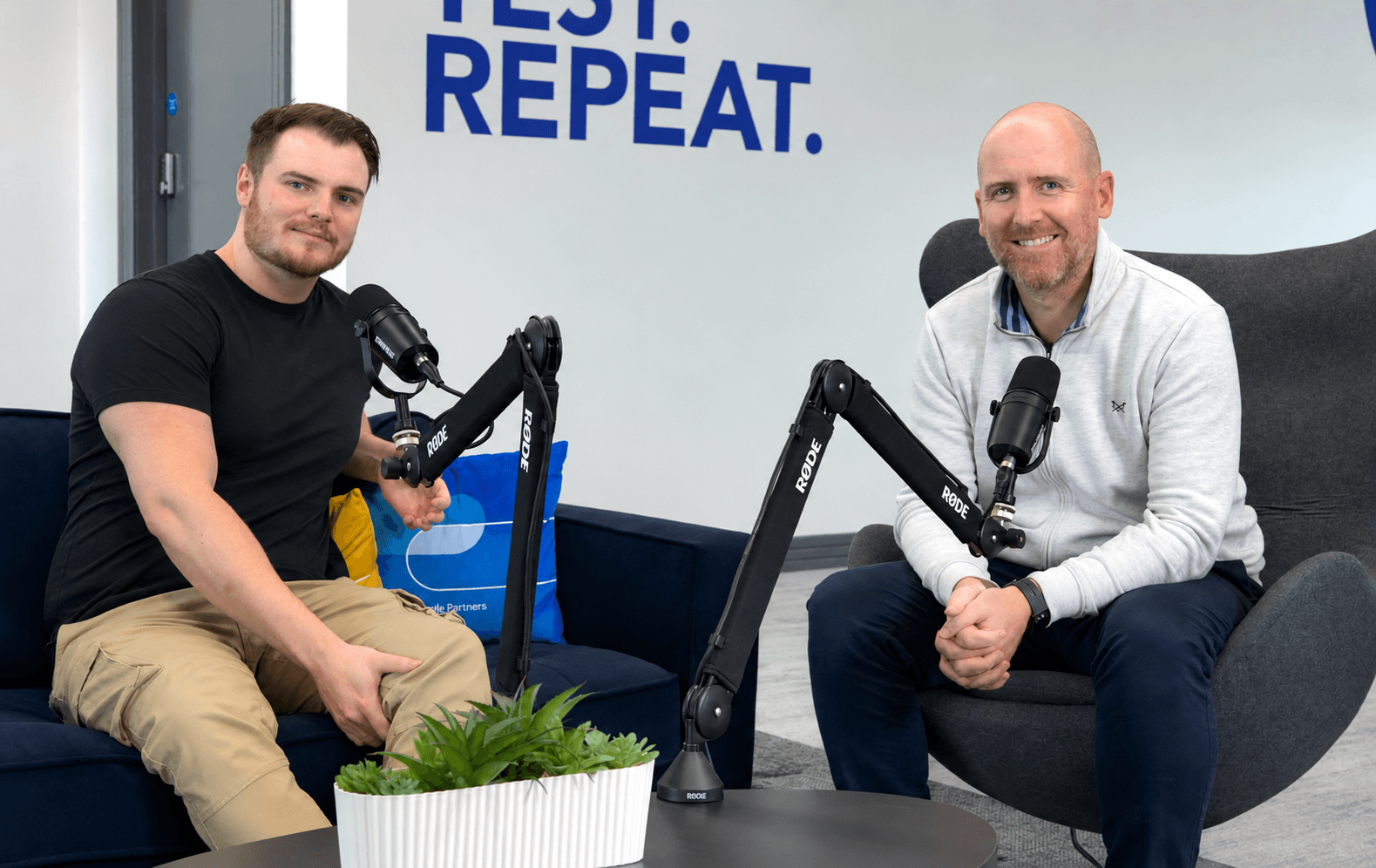
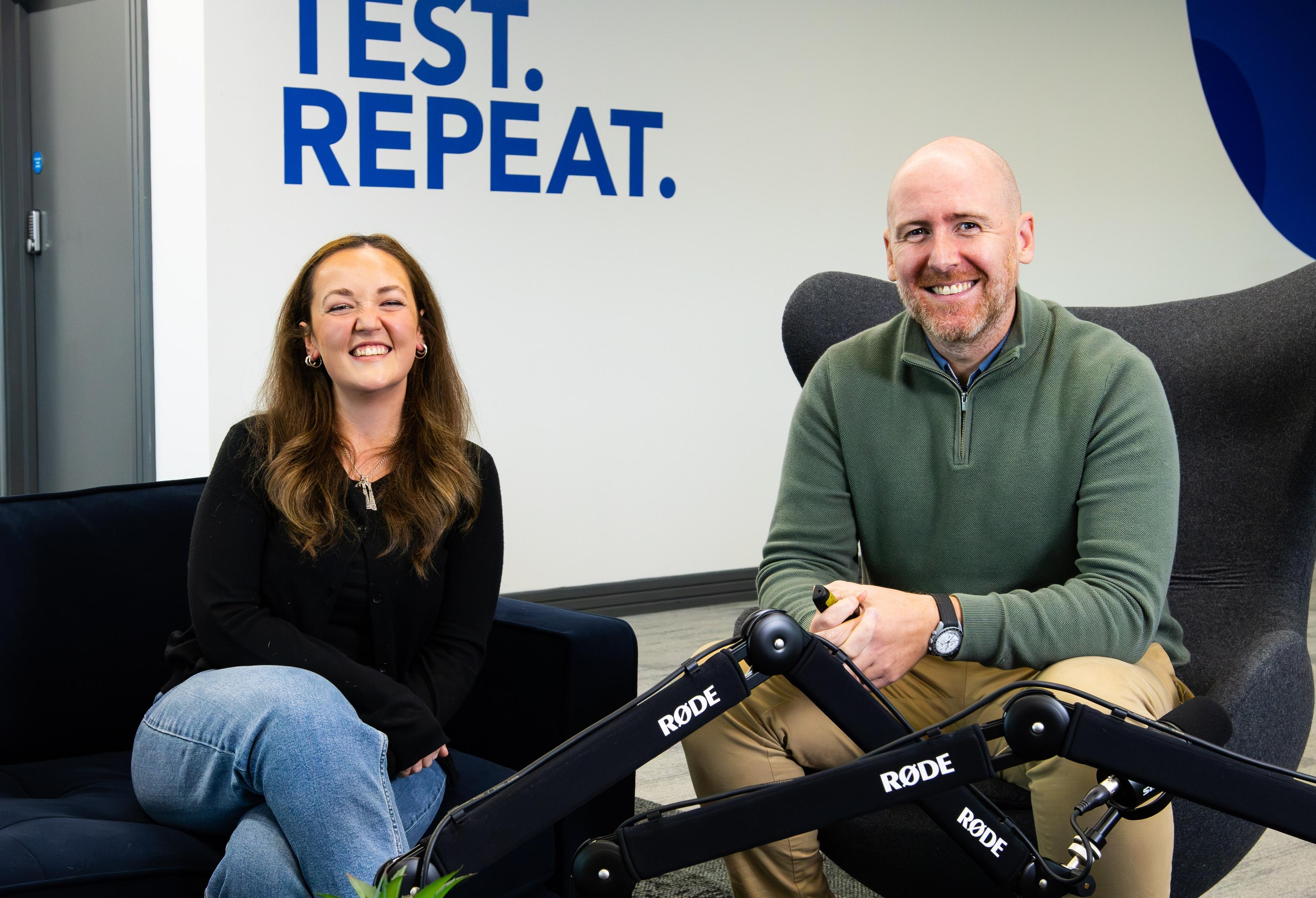
In our most recent Mediaworks Masterclass, COO David Norris sat down with Managing Partner Paul Mallett and Paid Media Director James to unpack what we're calling Performance Creative 3.0: the convergence of platform intelligence, generative AI, and brand storytelling that is fundamentally changing how high-performing campaigns get built.
The conversation arrived at a telling moment, Microsoft's annual digital conference was running the same morning and Google Marketing Live was scheduled for the next day. Every major platform is doubling down on AI, and the implications for how brands approach creative strategy are profound.
The Attention Recession Is Real
For years, the industry benchmarked creative performance against a 3.7-second window to capture attention, which then dropped to 2.5 seconds. Google has now revised it down again, to just 1.5 seconds.
This is what we call the "attention recession", and in that window, your brand must land not just an impression, but a recognisable identity signal. Google describes this as a fluent brand asset: the kind of visual shorthand that does half the work before a single word is read. Think of Adidas and three stripes. In the first frame of any ad, the audience already knows who is speaking.
"Creative is now your primary lever for performance. The platforms have gone from audience-first to creative-first, and that changes everything downstream." Paul Mallett, Managing Partner
Meta's Andromeda update, arguably the platform's most significant change in recent years, moved from granular audience-first optimisation to a creative-first model. The algorithm now looks for variety, scale, and signal within creative to determine the best audience and placement fit. When we rolled this approach out with a client recently, CPC dropped by around 50% and click-through rates increased by close to 300%.
Elastic vs Inelastic: A New Planning Framework
Google's recent research introduced a distinction that has quickly become central to how we plan: elastic versus inelastic platforms. It's a cleaner lens than traditional funnel-stage thinking, and it connects media planning directly to creative strategy.
Inelastic platforms (feed-based display, social scrolling) give you almost no runway. Attention is transactional, and these environments demand immediate pattern interruption: bold visual hooks, provocative questions, myth-busting formats. The creative needs to earn the next half-second before it can earn anything else.
Elastic platforms (YouTube and longer-form video channels) allow something closer to storytelling. Audiences have opted into a more immersive mode. Here, you can build narrative, generate genuine emotional engagement, and cultivate the long-term brand equity that short-form formats can't sustain alone.
The key insight is that these aren't competing priorities; they're complementary to each other. A strong media plan balances both, using short-term reach and recognition through inelastic channels while building durable brand relationships through elastic ones. You just need to plan your channels accordingly.
The Three Pillars of Performance Creative 3.0
1. Platform Choice: Balancing Elastic and Inelastic Reach
Not all channels deserve equal investment, and creative cannot simply be repurposed across them. Understand where your brand needs rapid recognition versus sustained storytelling, and allocate both budget and creative resource accordingly. Choosing where not to invest is as important as choosing where to invest.
2. Generative AI: Building Creative at Scale
AI now powers the full pipeline: richer audience insights from larger datasets, automated campaign planning matrices across formats and funnel stages, and template-driven ad production via tools like Figma and Canva. The goal is to keep the platform machines fed efficiently and without sacrificing brand integrity.
3. Brand Toolkits and Narrative: Baking in the 1.5-Second Impact
Define your distinctive brand assets (your "three stripes") and embed them in every template from the outset. Then ensure every ad carries a narrative thread, however brief. Even a two-sentence story is more arresting than a product shot. Brand early, brand often, and give your audience a reason to keep watching.
Closing the Loop: Human Quality Assurance in an Automated World
The risk with AI-powered production at scale is obvious: if the inputs are wrong, you're building incorrectly at speed and that compounds errors rather than eliminating them.
Human QA checkpoints belong at every critical stage of the pipeline. Tone of voice, in particular, is an area where AI can diverge badly from brand intent without clear direction. The solution isn't to remove AI from that step, but rather to ensure a human steers it clearly throughout.
One practice that's proved especially valuable: having the media team review creative, not just the creative team. A paid media director will see immediately whether an asset is fit for its intended placement, whether the hook lands fast enough, and whether the brand registers in the first frame. Cross-functional perspective is hard to replicate algorithmically.
"We're not saying let AI run wild. The best examples we're seeing are where humans guide and lead strategy all the way through. AI handles the heavy lifting, and people ensure it lands." David Norris, COO
If You're Not Adidas
The Adidas example is instructive but not universal. Three stripes and Samuel L. Jackson do a lot of heavy lifting that most brands can't rely on, but there are lessons to be taken from the process.
The techniques that create thumb-stopping engagement (myth versus fact formats, self-diagnostic flowcharts, problem call-outs) work precisely because they create an immediate cognitive hook: a question the viewer needs resolved, with your brand as the answer. These formats are accessible at any scale and can be produced efficiently through the AI pipeline described above.
The exercise is identifying your equivalent of the three stripes: the visual or verbal asset that signals this is from us within a second and a half. If that asset doesn't exist yet, building it is the most important creative investment a brand can make right now.
Three things to act on this week:
Audit your current ads. Do they pass the 1.5-second thumb-stopper test? If not, identify your fluent brand asset and brief your creative team accordingly.
Review your platform mix through an elastic/inelastic lens. Are you balancing short-term reach with long-term brand equity?
Assess your creative variety. Do you have enough variants to allow platform AI (Meta Andromeda, Google, LinkedIn) to optimise effectively? If not, explore template-driven production at scale.
Want to know how your current campaigns are performing? We're offering a free Creative Impact Audit. We'll test your ads against the 1.5-second standard, benchmark you against two competitors, and deliver a prioritised recommendations report. Request yours by following the link HERE