June 17 2026
The Hidden Cost of Avoidable Demand in Social Housing
Repair complaints to the Housing Ombudsman have risen 474%, and the majority are not about the quality of the repair itself. They come from residents chasing an update they cannot get any other way. However, many housing providers are still asking tenants to pick up the phone for tasks they would happily handle themselves.
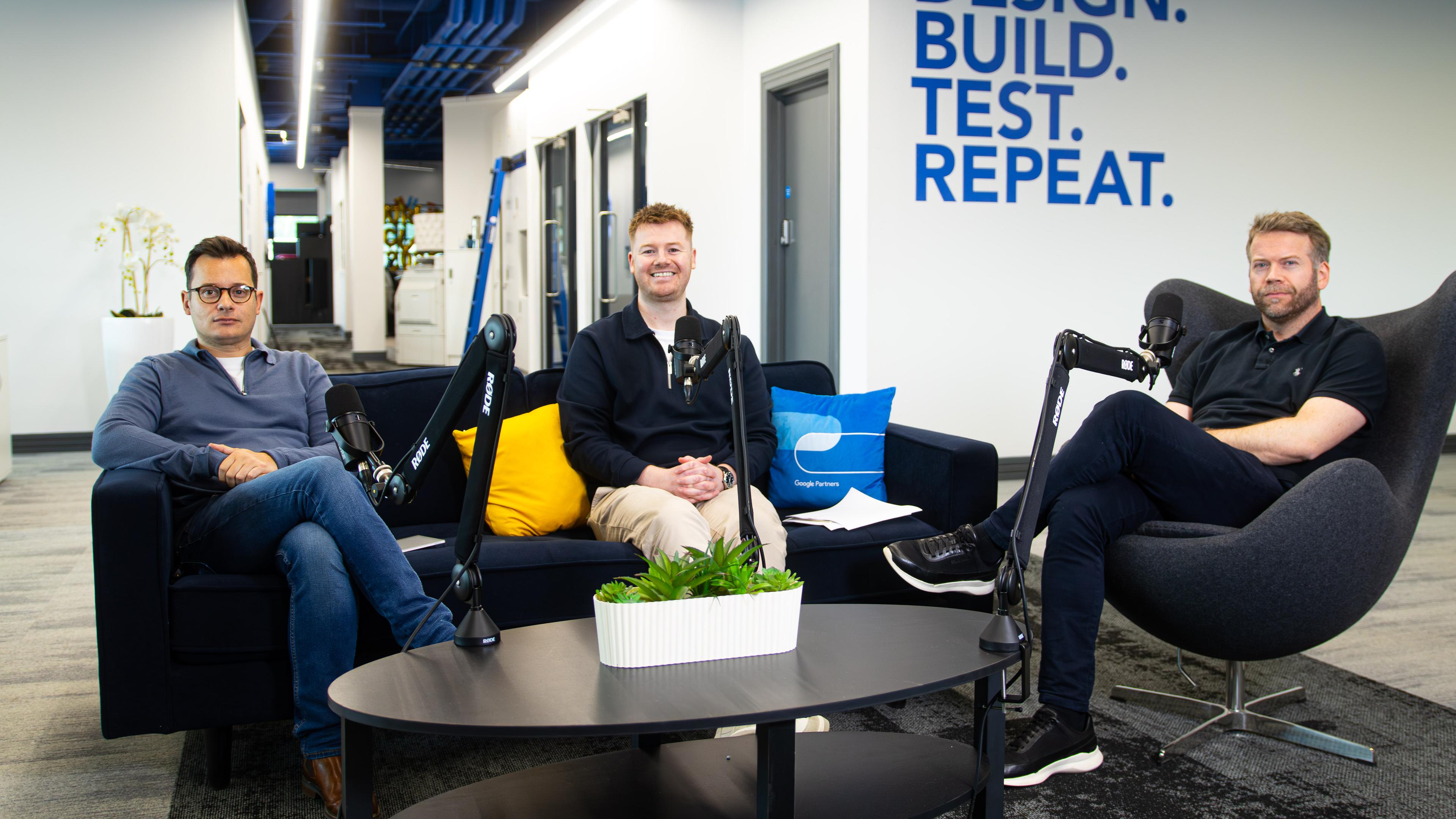
In our latest Mediaworks Masterclass, Brett Jacobson, Founder and CEO of Mediaworks, was joined by Mediaworks CTO Dan Hoggan and HomeLynk Commercial Lead Lewis Walmsley to explore why residents still reach for the phone, and what housing providers can do to reduce avoidable demand without endlessly adding cost and resource.
The conversation focused on an issue we see across the sector. While much of the industry has concentrated on digitising individual transactions, the bigger opportunity lies in understanding the lived experience of a tenant and designing self service around it. As tenant expectations rise, shaped by everyday experiences with Amazon, their bank and their utilities apps, providers need to rethink how they serve residents who simply want information, reassurance and a quick way to get things done.
The Bar Has Been Set Elsewhere
For years, the phone was the primary method of contact in the housing space. Residents called to report a repair, query their rent or ask what was happening with their home, and contact centres handled the volume.
That expectation has shifted. Tenants now judge their landlord against the digital experiences they have everywhere else in their lives. Common examples include a banking app showing a balance instantly, a retailer tracking an order to the door, or a utility provider sending an update before a problem becomes a complaint.
When the housing experience cannot match that, residents feel the gap. And because so many of these interactions are emotive, whether it is a repair in the home, money owed or a question that needs answering, the frustration builds quickly.
"The behaviour needs to be designed around what the user wants, not based on the systems that you have." Dan Hoggan, Mediaworks CTO
The Real Problem Is Avoidable Demand
Much of the pressure on housing teams is what HomeLynk calls avoidable demand. This is demand created not because something has gone wrong, but because a tenant could not easily access information, track progress, make a payment or find a document.
Every quick email, every repeat enquiry and every missed update creates cost for the provider and frustration for the resident. It tends to cluster in three areas:
Repairs, including logging them and chasing updates
Rent payments and account queries
Communication, where residents are either bombarded or hear nothing at all
Repairs generate the largest volume of contact, and that 474% rise in complaints is driven overwhelmingly by chasing rather than the standard of the work.
Why Residents Still Default to the Phone
Digitisation is not new to the sector and many providers have already introduced portals and online forms. Still, the phone keeps winning because it is the path of least resistance.
There is a person on the other end who listens, and the resident trusts they will get an outcome. Until a digital channel can offer the same level of information, trust and value, people will revert to whatever feels most reliable.
A few things push them back to the phone:
Past digital experiences that let them down, so they assume the new one will too
A need for a definitive answer now, rather than a thank you for logging an issue
Emotive situations such as a flood or a repair that has not been fixed, where they want immediate reassurance
Journeys that send them off to separate portals for repairs, payments and queries
"The phone becomes the default because it is the path of least resistance. It always works." Dan Hoggan, Mediaworks CTO
Five Areas Where Avoidable Demand Builds Up
1. Repairs and the Endless Chase
Without live tracking, the only way a resident can find out where their repair stands is to call. The fix is to give them real time status, two way updates, easy reporting with photo upload and smart scheduling that works around school runs and working hours.
Flagging when a repair has been reported before also creates true closure for the tenant and a quality signal for the provider, turning repeat visits into a measure of right first time performance and subcontractor quality.
2. Fragmented Payments and Account Queries
Many residents are sent off to third party sites to pay rent, which feels disjointed and unsettling, especially for vulnerable customers who have been taught not to follow a journey off site. A unified, fully branded payment experience with clear account histories builds confidence. Layer in proactive nudges, early notice of rent reviews and flexible payment options, and a transactional task becomes reassuring rather than stressful.
3. Communication Gaps
Residents are often either flooded with bulk messages or left in silence, with little tied to what is actually happening in their journey. Proactive updates that are triggered by events, targeted by area or by what you know about a household, and delivered through push notifications, mean residents hear the right thing at the right moment and do not need to call to find out.
4. Information in the Wrong Place
Help and advice usually lives on a public website, disconnected from the logged in experience. Bringing it inside the platform, managed through a content system, lets providers personalise it. That covers multilingual content such as English and Welsh, practical property guides like resetting a thermostat, financial support articles, visibility of modernisation and retrofit plans and easy access to the local housing officer.
5. Broken Trust in Digital
One poor experience and residents abandon the digital experience for good. Rebuilding trust means a best in class, tenant first design where every action is tracked end to end. Accessibility is non-negotiable, which means mobile first, plain language and screen reader support, so every resident can use it rather than just part of the tenant base.
From Reactive to Proactive
The most important shift is moving from reactive to proactive. The resident roller coaster, the emotional lifecycle a tenant goes through, shows that most avoidable contact happens during the years someone spends living in their home, not during the move in.
Smoothing that experience means:
Surfacing updates before residents have to ask
Tying communication to events in the journey rather than sending it in bulk
Tracking every action end to end so nothing feels lost
Closing the loop with point of event surveys that capture how a resident felt at the moment it mattered
Joining the front-end experience to back office workflows so the whole thing feels seamless
Releasing Capacity, Not Replacing People
None of this is about removing the human element of customer service, but more to free teams to focus on the residents who need them most.
HomeLynk estimates that 35 to 40% of contact centre queries handled over the phone could be removed through self service. Every interaction handled online is potentially one fewer call, and those savings compound. Crucially, the channels work alongside each other. Some residents will always prefer to call, and tools such as officer impersonation let staff act on a tenant's behalf when needed, so there is no digital exclusion.
"We need to be working smarter, not harder. It is all about convenience for the customer at the end of the day." Lewis Walmsley, HomeLynk Commercial Lead
Three Actions to Take
Map the Resident Roller Coaster Understand the emotional lifecycle of your tenants and identify where avoidable contact concentrates across the years they spend in their home.
Audit Your Three Core Demand Sources Look at repairs, payments and communication and ask where residents are forced to phone for something they could comfortably self serve.
Start Small and Pilot A platform like HomeLynk sits on top of existing systems through APIs, so there is no rip and replace. Roll it out to a portion of tenants first and prove the value, then scale. Generally, the time to value is 12 to 24 weeks.
The Sector Does Not Have a Demand Problem
The clearest takeaway from the session was a reframe. The volume hitting housing teams is rarely a complex support request. It is requests for information, updates, visibility, reassurance and simple transactions.
"I don't believe the housing sector has a demand problem. We have an access problem." Brett Jacobson, Founder and CEO, Mediaworks and HomeLynk
When residents can access what they need easily, staff get time back, residents get a better experience and providers can focus resources where they matter most. Digital self service is no longer a nice to have. It is becoming a core requirement for any modern housing service, not to replace people but to help them be more effective.
To find out more about the HomeLynk platform and how it can help reduce avoidable demand head to www.homelynk.co.uk