June 17 2026
Why Residents Still Pick Up the Phone: The Self-Service Challenge Housing Needs to Solve
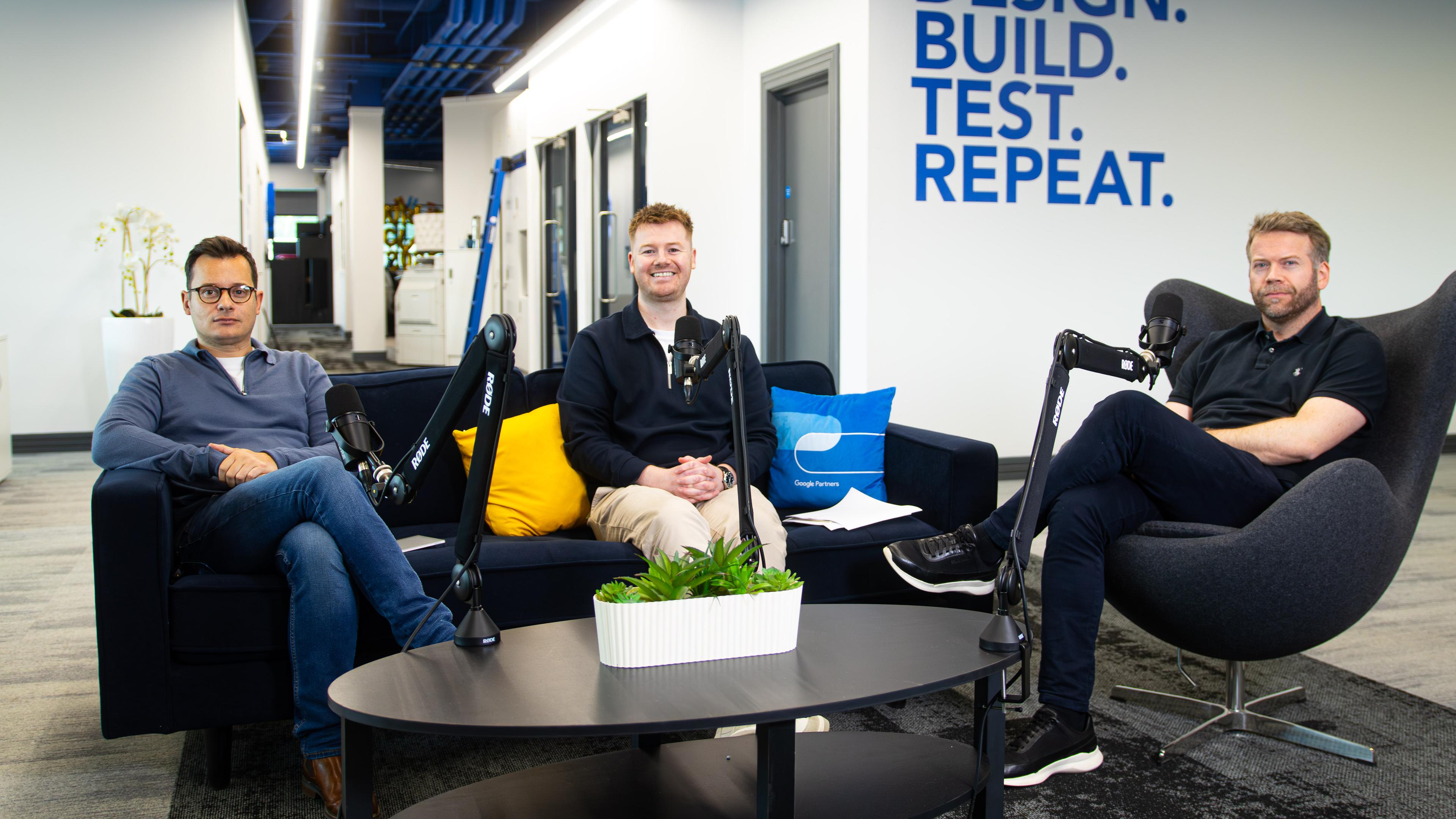
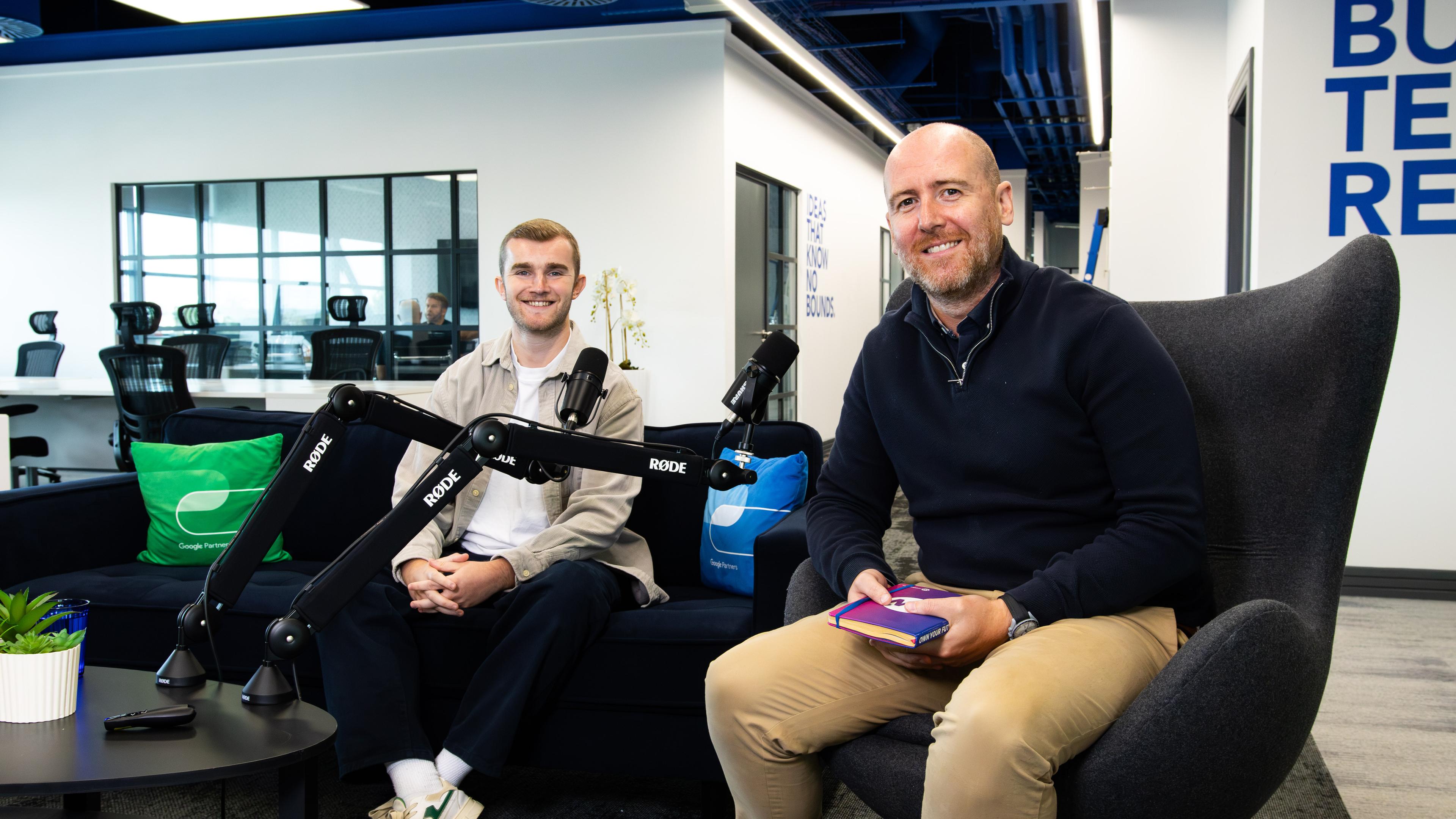
Repair complaints to the Housing Ombudsman have risen 474%, and most are driven not by the quality of repairs but by residents chasing updates they can't get any other way. Watch our 45-minute masterclass exploring why residents still pick up the phone, and how digital self-service can reduce avoidable demand, improve tenant satisfaction and ease pressure on overstretched housing teams without adding significant cost and resource.
Find out how leading housing providers are meeting rising tenant expectations, shaped by everyday experiences with Amazon, banks and utility apps, by giving residents a single, trusted platform to report repairs, make payments and stay informed, rather than defaulting to the contact centre.
What this session covers:
What avoidable demand actually looks like inside a housing organisation, and how repairs chasing, rent and account queries and communication gaps drive the majority of unnecessary contact.
Why residents default to picking up the phone even when digital options exist, understanding the path of least resistance and what it takes to rebuild trust in self-service.
How a unified platform handles repairs, payments and proactive communications in one branded, tenant first experience, with live tracking, two-way updates and closure on every interaction.
How providers can use easy content management, targeted communications, point of event surveys and engagement data to listen, act and evidence compliance with consumer standards.
How self-service releases operational capacity, with an estimated 35 to 40% of contact centre queries removable, and how HomeLynk can sit on top of existing systems and deliver value in 12 to 24 weeks.
Key takeaways:
After watching, you will be able to:
Understand the "resident roller coaster" and where avoidable contact concentrates across the tenant lifecycle, recognising that most of it happens during the years residents spend living in the property.
Identify why digital self-service has failed residents before and what best in class, tenant first design needs to deliver to stop people reverting to the phone.
Map the three core sources of avoidable demand (repairs, payments and communication) against your own contact volumes and emotive resident journeys.
Improve trust and adoption through live status tracking, two-way updates, multilingual content, accessibility and proactive nudges that surface information before residents have to ask.
Build the business case for self-service, using cross service insight and engagement data to justify investment and deploy limited resources where they have the most impact.