September 30 2026
B2B Paid Social in 2026: What's Working | Mediaworks
Reaching a buyer is not the same as reaching the business. Reaching the business is not the same as being on its shortlist.
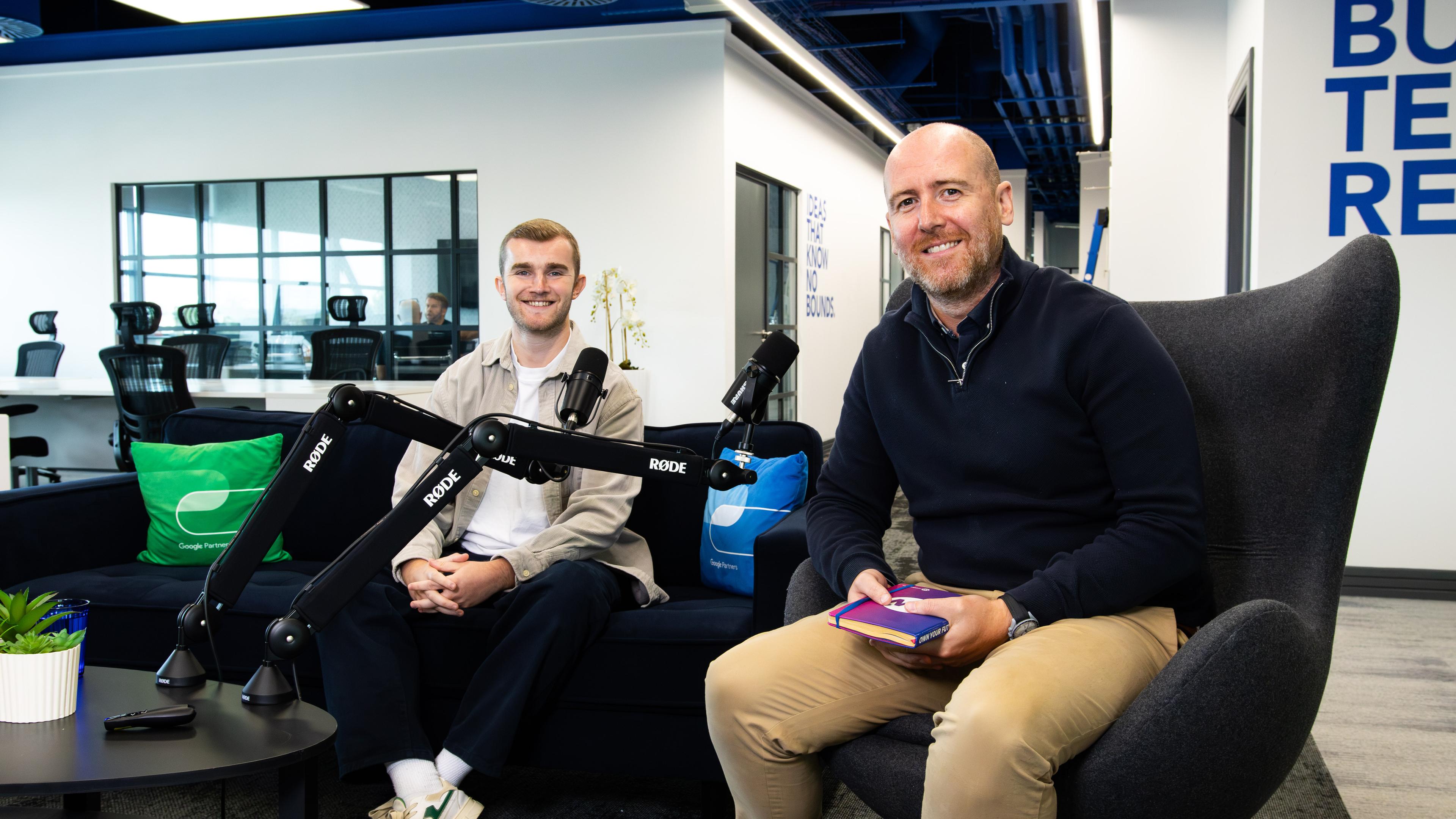
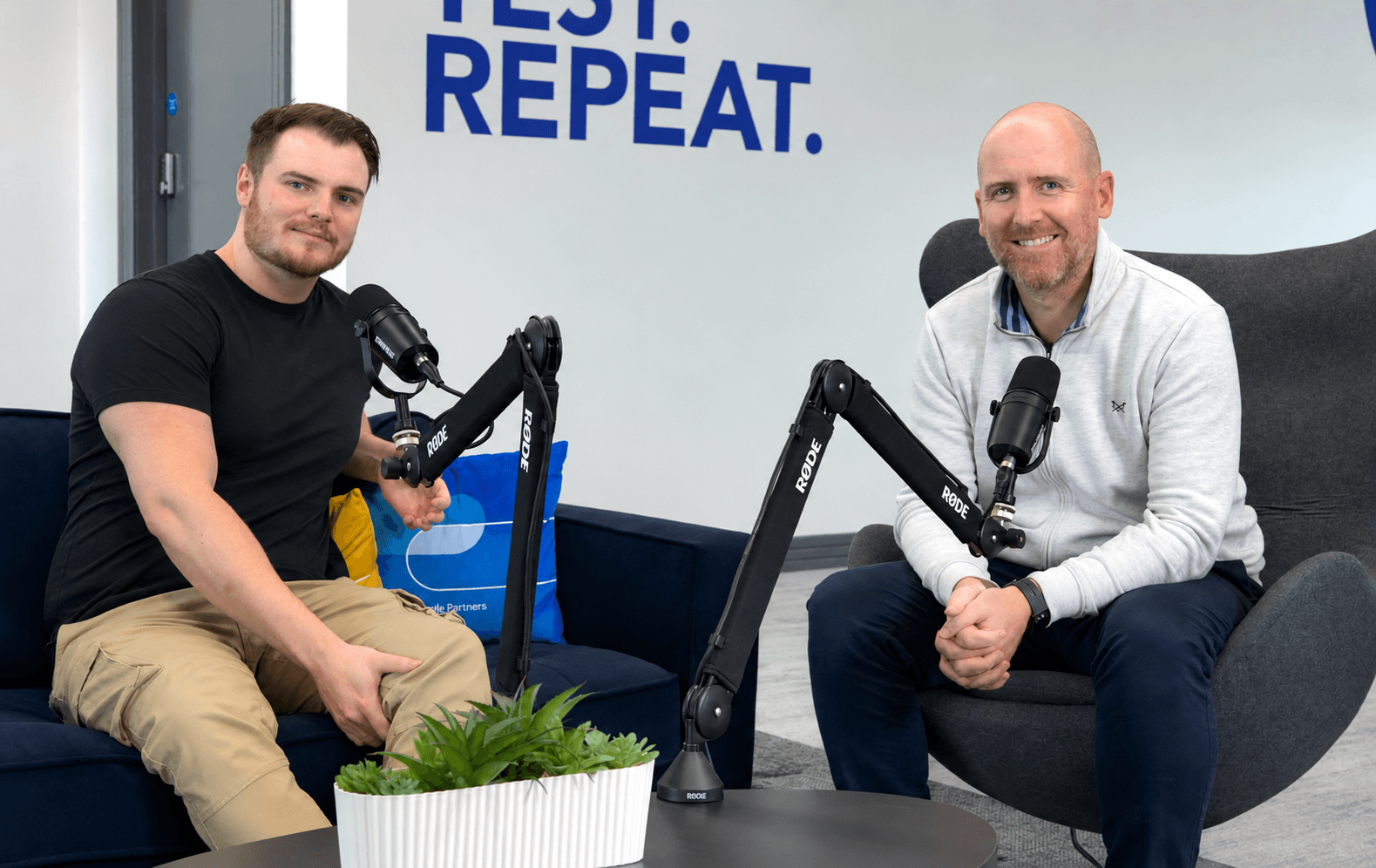
Our latest Mediaworks Masterclass looked at what's working in B2B paid social in 2026.
One of the major themes from the session was timing. Most campaigns are built to capture demand that already exists, when buyers have usually made up their minds before they start looking.
That's understandable. Marketing teams carry lead targets, and a campaign with an acceptable cost per acquisition is easy to defend. But buying groups are getting bigger, journeys are getting longer, and buyers arrive at the search with a shortlist already in mind. Judge paid social on clicks and short-term conversions, and you'll consistently undervalue the activity that creates future pipeline.
Most of your market isn't buying yet
B2B contracts tend to be larger, longer and less frequent than consumer purchases. A business might run a tender, sign a multi-year deal or review its IT provider once a year, so at any given moment only a small part of the market is looking. Roughly 5% of your market is in market at any point. The other 95% might be three months or two years away from needing you, but they're already forming views about who they'd consider.
Under pressure from lead targets, it's easy to put everything into capturing that 5%. Competitors are doing the same, which pushes costs up and leaves most of the market untouched. The research on long-term growth, with The Long and the Short of It the best-known example, is clear that brand building and short-term activation need to work in tandem. The brand side builds mental availability with the 95%, so that when the need arises you're already known and respected. The demand side captures that interest once it becomes active.
The shortlist is written before the search starts
The strongest case for investing in the 95% is what happens before a buyer does any research. Most B2B buyers already have a shortlist in mind, filtered on reputation and perception before a search, demo request or sales call takes place. If you're not on it, breaking in at the final stage means competing against months of familiarity other brands have already built.
86% of B2B buyers start with a "day one list" of brands, and the average list contains just three
Around 81% of decision-makers had already come across the brand they chose before the process began
Warm audiences convert at close to double the rate of cold audiences, with acceptance rates around 30% higher
The average time from first touchpoint to revenue is now 272 days, up from 211 a year earlier
For sectors with predictable tender cycles, this becomes a planning exercise. If a contract comes up every two or three years, that's the window to build presence inside the organisation so you're on the list when the tender lands. Paid social needs planning horizons measured in quarters and years, not campaign flights.
From job titles to buying committees
LinkedIn makes it easy to target a CFO or VP of Marketing directly, so many campaigns aim everything at the ultimate decision-maker. But the average B2B deal now involves 10 stakeholders, up from 6.8 a year earlier. Finance has a view, procurement runs the process and a technical team assesses fit, while the day-to-day managers who'll live with the solution often shape the recommendation. Close to half of the influence on a decision can come from people the seller never identifies.
An ad that reaches one person is no longer enough. Pair job-title targeting with activity that reaches the wider company, so whoever raises your name in a meeting finds colleagues who already recognise it. The same applies to sales. If your team is working prospects where it holds a single contact, reaching the rest of those businesses with thought leadership makes the internal case far easier to win.
Accounts and personas, working together
Account-based marketing often gets forgotten because platforms push advertisers towards broader data sets. But without knowing which companies you're reaching, it's hard to tell whether spend is building presence in the accounts that will drive revenue. First-party data is the foundation. CRM lists of prospects, mailing lists or former clients can be uploaded to social platforms and used to reach specific companies, and if you know an account is going to tender in the next three months, that's the moment to be highly visible.
Account targeting gives persona work a structure rather than replacing it. One account strategy might run separate campaigns for finance, operations, the CEO and middle management, each speaking to what that group cares about. Channel choice follows the same logic:
LinkedIn is the most precise for B2B, targeting by company, industry, job title, seniority and even growth or funding status, but it costs more
Meta is cheaper and strong for broader reach and retargeting website visitors, with conversion optimisation that works well even in B2B
Search captures the 5% who are in market, something social can't identify on its own
Creative is doing more of the work than targeting
Reaching exactly the right person with creative that doesn't cut through achieves very little, and cutting through has become much harder. The average attention span is around eight seconds, you have about 1.7 seconds to stop someone mid-scroll, and people see more than 10,000 brand messages a day. LinkedIn is far busier than it was five years ago, and AI has multiplied the volume again. Around 47% of an ad's effectiveness comes down to the creative, and relevance to the audience takes that close to 60%.
That starts with the hook: motion, audio or simply the right message at the right size. If an ad looks like the sea of sameness already in the feed, it's hard to justify the spend. Creative fatigues, so it needs refreshing regularly, and format plays a part too. On LinkedIn, document ads are the standout lead generation format, because users can read the first pages of a white paper or case study before handing over their details. Copy needs to be concise, and message ads work far better when they're genuinely personalised.
What the ad says counts just as much. Too much B2B advertising explains what a business does and why it's great, without showing how it solves the reader's problem. Stronger messaging starts with persona work, because what finance needs to hear isn't what operations needs to hear, and a committee of ten won't be won over by one generic message.
Measuring accounts, not clicks
With journeys running to 272 days, a campaign can't be judged fairly on this month's cost per acquisition. The better question is whether the activity is building future pipeline in the accounts that will generate it. Cheap clicks aren't a measure of commercial impact.
The platforms are catching up. LinkedIn has introduced a 180-day attribution window which, combined with its Conversions API and clean data, can trace a long journey back through the touchpoints that shaped it. Meta's attribution now looks beyond link clicks, separating view engagement from click engagement so each can be valued differently. This is how brand spend gets justified commercially. It should also drive a test-and-learn approach, where you try different creative, messaging and targeting, then back the winners.
Where B2B paid social is heading
Recent platform changes are evolutionary rather than revolutionary, but they point one way. Video, particularly brand-led and creator-influenced content, is becoming one of the most effective ways to reach the 95%. Meta's Advantage+ and Andromeda are turning it into a creative optimisation platform that rewards variety and distinction. Add longer attribution windows and a greater reliance on first-party data, and every change rewards the same approach: build presence with the whole buying group over time, invest in creative that earns attention, and measure pipeline rather than clicks.
Key takeaways
Only around 5% of a B2B market is buying at any time, so paid social needs to build brand with the 95% as well as capture demand from the 5%
Buyers start with a day one list of around three brands, so the work that wins deals happens long before the search
Buying committees now average 10 stakeholders, so target the whole account rather than a single job title
Creative drives close to half of an ad's effectiveness, and the strongest messaging speaks to the audience's problem rather than the product
Measure accounts and pipeline, not clicks, using longer attribution windows, conversion APIs and clean first-party data
Want to understand where you stand?
Request a FREE Digital Performance Audit from Mediaworks.
Using our MX framework, we'll benchmark how effectively you reach and engage your audiences online against your competitors, and identify the priority areas where your paid social and wider digital activity could make the biggest difference.